6 Strength Training Myths That Hold Women Back After Fifty
Quick Answer: The biggest myths holding women back after fifty are that lifting heavy is dangerous for aging joints, that light weights with high reps are safer and just as effective, and that it’s too late to start building meaningful strength — all three are directly contradicted by current research on aging, bone density, and muscle response to training.
These myths often come from outdated guidance, and unlearning them changes what a strength routine after fifty can actually look like.
Myth 1: Lifting Heavy Is Too Risky for Joints After Fifty
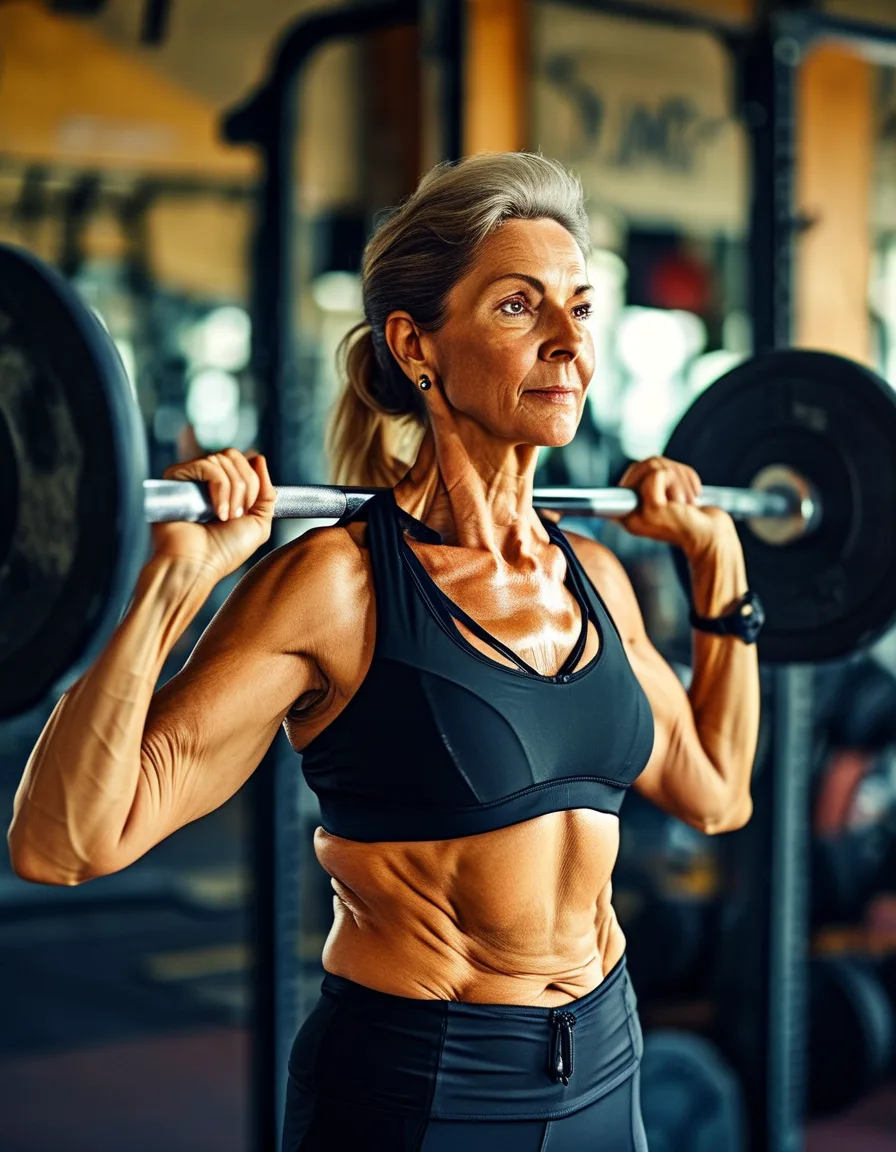
Properly progressed heavy resistance training, using full range of motion and appropriate form, is actually associated with improved joint stability and reduced injury risk in aging adults, since stronger surrounding muscles better support and protect joints during daily activities.
The real risk factor isn’t heavy weight itself, it’s poor progression — jumping to a heavy weight without building up technique and a base level of strength first is what actually raises injury risk, regardless of age.
Myth 2: Light Weights With High Reps Are Just as Effective
Research directly comparing heavier loads at lower reps to lighter loads at higher reps shows both can build muscle size, but heavier loading produces meaningfully greater strength and bone density gains — which matters more for women after fifty given the accelerated bone density loss that comes with menopause.
A combination approach — some heavier compound lifts alongside lighter accessory work — tends to give the best of both benefits rather than relying on light weights alone.
Myth 3: It’s Too Late to Start Building Strength After Fifty
Multiple studies on previously untrained older adults starting resistance training show significant strength gains within just 8-12 weeks, and muscle tissue retains its ability to adapt and grow throughout life — age slows the rate of gain somewhat but doesn’t prevent it.
Some research on women starting strength training in their fifties and sixties even shows faster relative early strength gains than younger trainees, likely because there’s more room for neuromuscular adaptation in a previously untrained system.
Myth 4: Cardio Alone Is Enough for Bone Health After Fifty
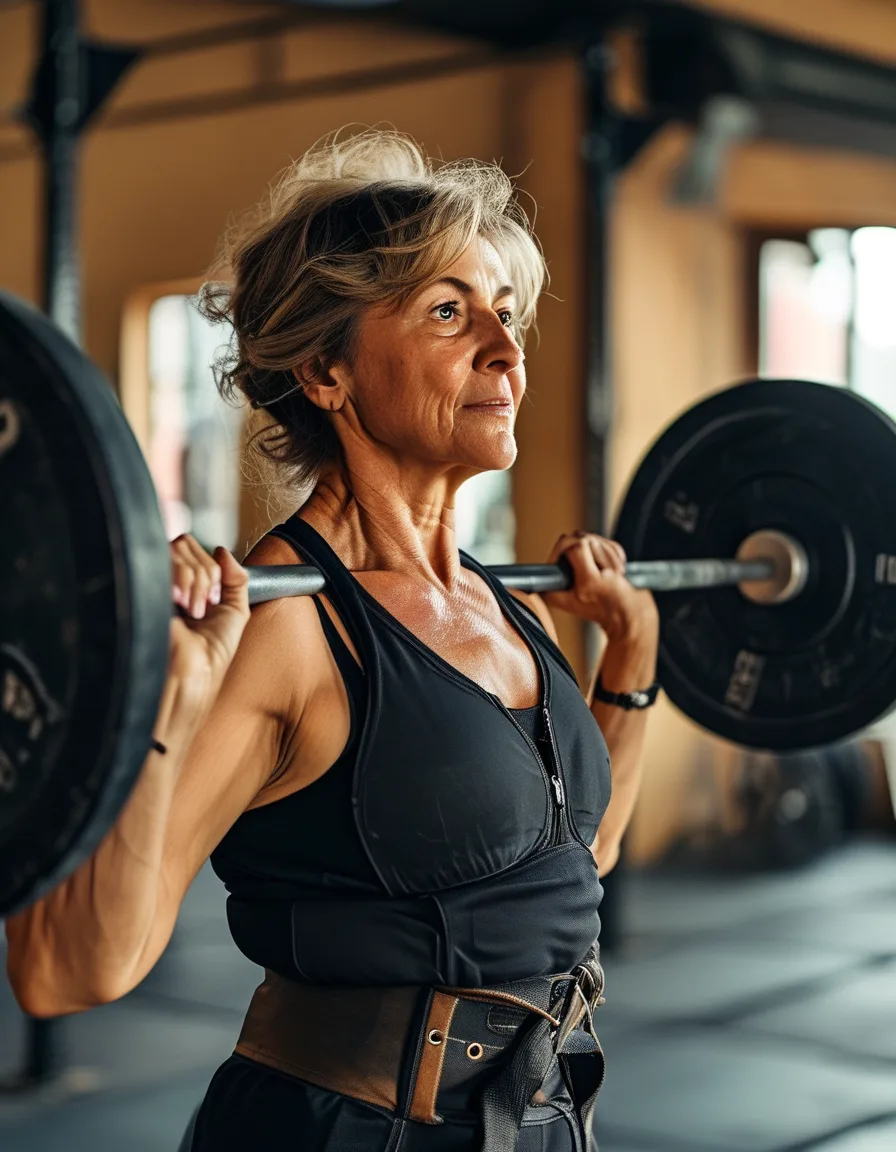
Weight-bearing cardio (like walking) provides some bone benefit, but resistance training that applies direct mechanical load through muscle contraction against bone produces a stronger, more targeted stimulus for bone density maintenance, which matters significantly given the fracture risk increase after menopause.
The two aren’t interchangeable for this specific purpose — cardio and strength training address different aspects of overall fitness, and skipping resistance training in favor of cardio alone leaves a real gap in bone health strategy.
Myth 5: Recovery Needs to Be Dramatically Longer at This Age
While recovery capacity does shift somewhat with age, the difference is often smaller than assumed — adequate protein intake, sleep, and reasonable training volume matter more for recovery quality than age alone, and many women in their fifties recover well on a standard 48-72 hour muscle group rotation.
Overcompensating with excessive rest days can actually slow progress more than it helps, since consistent stimulus is what drives ongoing strength adaptation.
Myth 6: Menopause Makes Strength Gains Essentially Impossible
Hormonal changes during menopause do affect muscle protein synthesis efficiency somewhat, but research consistently shows women can and do build meaningful strength during and after this transition — it may require somewhat more deliberate attention to protein intake and progressive overload, but it is not a wall that prevents progress.
Some of the research showing the largest relative strength and bone density benefits from resistance training specifically comes from postmenopausal women’s studies, which directly contradicts the idea that this life stage makes training pointless.
FAQ: Strength Training Myths After Fifty, Answered
Is there an ideal starting point for a woman in her fifties who’s never lifted weights before?
Starting with basic compound movements (squat, hinge, push, pull patterns) at a manageable weight with good form, then progressively adding load over weeks, is a solid, well-supported starting approach.
How much protein actually supports strength gains at this age?
Research commonly suggests somewhat higher protein targets for older adults building muscle, often cited around 0.7-1 gram per pound of bodyweight daily, compared to lower general population recommendations.
Should someone with existing joint issues avoid heavy lifting entirely?
Not necessarily — working with a knowledgeable trainer or physical therapist to adapt movements around a specific joint issue is usually a better approach than avoiding resistance training altogether. This is general information, not medical advice for a specific condition.
TL;DR:
- Properly progressed heavy lifting supports joint stability, it doesn’t damage joints at this age
- Heavier loads produce meaningfully better strength and bone density gains than light weights alone
- It’s genuinely not too late to start — significant gains show up within 8-12 weeks for beginners
- Postmenopausal women specifically show strong research-backed benefits from resistance training
Keep Reading
This article is for general informational purposes only and is not medical advice. Always consult a qualified health professional for guidance specific to you.