What Actually Needs to Change About Your Strength Training in Your Fifties
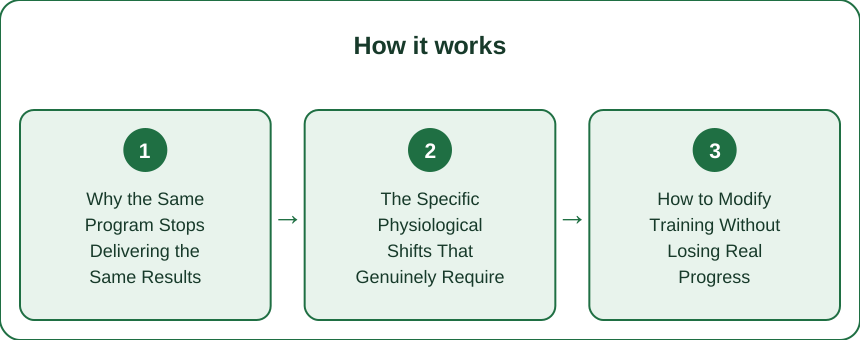
A strength training program that worked reliably for years can suddenly feel less effective, harder to recover from, or simply different sometime in the fifties, and the instinct to just push harder using the same approach that used to work often backfires rather than solving the problem. Here is why the same program stops delivering the same results at this stage, the specific physiological shifts that genuinely require program adjustments, and how to modify training without losing the real progress already built.

Why the Same Program Stops Delivering the Same Results
The underlying shift: the the-hormonal-changes-around-perimenopause-and-menopause-directly-affect-recovery-capacity-and-muscle-protein-synthesis (the significant hormonal shift occurring for many women in this decade having documented effects on recovery time and how effectively the body builds muscle from training stimulus, from the menopause-strength-training-guide logic — the the-hormonal-shift-itself-is-a-real-physiological-change-with-documented-effects-on-both-recovery-and-muscle-building-response-not-just-a-motivation-or-consistency-issue), the the-joint-and-connective-tissue-resilience-changes-gradually-meaning-the-same-loading-pattern-that-was-fine-a-decade-earlier-may-now-carry-more-risk (the tendons and joints generally showing somewhat reduced resilience to identical loading patterns compared to a decade earlier, a gradual change rather than a sudden one — the joint-and-connective-tissue-resilience-changes-gradually-over-time-meaning-identical-loading-that-was-fine-before-can-carry-more-real-risk-now), the the-recovery-between-sessions-generally-needs-more-time-than-it-did-a-decade-earlier-meaning-the-same-weekly-frequency-and-volume-may-now-under-recover (the general recovery timeline lengthening somewhat with age, meaning an identical training frequency from a decade earlier may not allow adequate recovery anymore — the the-same-training-frequency-that-allowed-adequate-recovery-a-decade-earlier-may-now-genuinely-under-recover-the-body-at-this-stage), the the-bone-density-considerations-become-more-relevant-and-specifically-benefit-from-particular-loading-approaches-emphasized-more-heavily-at-this-stage (the bone density becoming a more central specific consideration at this life stage, with particular loading approaches especially relevant from the joint-friendly-strength-fifty-blog logic — the bone-density-becomes-a-more-central-specific-training-consideration-at-this-stage-warranting-particular-loading-emphasis), the the-a-program-designed-a-decade-earlier-for-a-different-set-of-priorities-may-simply-no-longer-match-current-actual-priorities-and-physiology (the original program’s design assumptions, appropriate for an earlier stage, potentially becoming mismatched to current physiology and priorities without ever having been deliberately revisited — the a-program-designed-for-an-earlier-stages-priorities-and-physiology-can-become-genuinely-mismatched-without-ever-having-been-deliberately-revisited-and-updated), and the reframe (the program’s declining results as reflecting genuine underlying physiological change requiring a deliberately adjusted approach, not simply a motivation or effort problem solvable by pushing harder with the identical old program)).

The Specific Physiological Shifts That Genuinely Require Program Adjustments
The specific changes worth designing around: the the-slower-recovery-generally-favoring-somewhat-lower-weekly-training-frequency-per-muscle-group-with-adequate-spacing (the a training program built around slightly more recovery time between sessions targeting the same muscle groups, rather than assuming the identical frequency that worked a decade earlier — the building-in-somewhat-more-recovery-time-between-sessions-targeting-the-same-muscle-groups-is-a-direct-adjustment-for-the-genuinely-slower-recovery-timeline), the the-connective-tissue-considerations-favoring-more-deliberate-warm-up-and-more-gradual-load-progression-than-before (the tendons and joints benefiting from a more thorough warm-up and less aggressive week-to-week load jumps than may have been tolerated easily a decade earlier — the a-more-thorough-warm-up-and-more-gradual-load-progression-directly-addresses-the-reduced-connective-tissue-resilience-to-abrupt-loading-changes), the the-emphasis-on-weight-bearing-and-progressive-resistance-work-specifically-for-bone-density-benefit-becoming-a-more-deliberate-program-priority-rather-than-an-incidental-side-effect (the deliberately structuring some training specifically around the loading patterns known to support bone density, rather than treating it as an incidental byproduct of general strength training — the deliberately-structuring-some-training-specifically-around-bone-density-supporting-loading-patterns-rather-than-treating-it-as-an-incidental-side-effect-of-general-training), the the-protein-intake-and-timing-becoming-more-directly-relevant-to-actually-realizing-the-benefit-of-a-given-training-stimulus-given-changes-in-muscle-protein-synthesis-efficiency (the adequate protein intake mattering somewhat more directly to converting a given training stimulus into actual muscle-building outcome at this stage from the protein-after-fifty-guide logic — the adequate-protein-intake-and-timing-becomes-somewhat-more-directly-relevant-to-actually-converting-a-given-training-stimulus-into-real-muscle-building-outcome-at-this-stage), the the-training-around-any-accumulated-old-injuries-becoming-a-more-central-and-deliberate-part-of-program-design-rather-than-an-occasional-workaround (the accumulated injury history over a longer training lifetime warranting more deliberate, structural program accommodation rather than ad hoc workarounds from the training-around-an-old-injury-after-fifty-guide logic — the accumulated-injury-history-warranting-more-deliberate-structural-program-accommodation-rather-than-occasional-ad-hoc-workarounds-becomes-more-relevant-at-this-stage), and the frame (the specific adjustments as somewhat more recovery time between sessions targeting the same muscles, more thorough warm-up and gradual load progression, deliberate bone-density-focused loading as an explicit priority, more direct attention to protein intake and timing, and more structural accommodation of accumulated old injuries — concrete, physiologically grounded program changes rather than a vague sense of needing to slow down).
How to Modify Training Without Losing Real Progress
The practical modification approach: the adjust-frequency-and-recovery-spacing-before-reducing-the-actual-training-intensity-or-load (the addressing the recovery-timeline change primarily through better spacing and frequency adjustment first, rather than immediately reducing how hard individual sessions are — the adjusting-spacing-and-frequency-first-rather-than-immediately-reducing-training-intensity-preserves-more-of-the-actual-strength-stimulus-while-still-addressing-the-real-recovery-need), the the-progress-load-increases-more-gradually-and-track-connective-tissue-response-not-just-strength-output (the slowing the rate of week-to-week load increases specifically, while still allowing genuine long-term progression, and paying attention to how joints and tendons respond alongside pure strength numbers — the slowing-the-rate-of-load-progression-while-still-allowing-real-long-term-gains-and-monitoring-joint-and-tendon-response-alongside-strength-output-preserves-progress-while-respecting-the-real-connective-tissue-change), the the-add-specific-bone-density-focused-elements-to-an-existing-program-rather-than-necessarily-overhauling-the-entire-approach (the layering targeted bone-density-supporting elements into a program that’s otherwise still delivering good results, rather than assuming a complete program overhaul is required — the layering-targeted-bone-density-elements-into-an-otherwise-still-effective-program-is-more-practical-than-assuming-a-full-overhaul-is-necessary), the the-work-with-a-knowledgeable-trainer-or-physical-therapist-specifically-to-address-any-accumulated-injury-pattern-rather-than-self-diagnosing-workarounds (the seeking professional guidance specifically for navigating accumulated injury history at this stage, given the higher stakes of getting it wrong compared to simply pushing through as before — the seeking-specific-professional-guidance-for-navigating-accumulated-injury-history-at-this-stage-matters-given-the-real-stakes-of-getting-it-wrong-compared-to-simply-pushing-through), the the-track-progress-across-a-broader-set-of-metrics-than-just-maximum-load-lifted-including-recovery-quality-and-functional-capacity (the measuring success through a wider lens than pure maximum weight lifted, including how well recovery is going and functional capability in daily life, since these matter as much or more at this stage from the staying-strong-in-your-fifties-guide logic — the tracking-a-broader-set-of-progress-metrics-beyond-just-maximum-load-lifted-including-recovery-quality-and-functional-capacity-better-reflects-what-actually-matters-at-this-stage), and the frame (the practical modification approach as adjusting frequency and spacing before reducing intensity, progressing load more gradually while monitoring connective tissue response, layering in bone-density-focused elements rather than a full overhaul, seeking specific professional guidance for accumulated injury patterns, and tracking a broader set of progress metrics — real adjustments that respect genuine physiological change while preserving as much of the hard-won progress and training effect as possible).
A strength program that worked for years can stop delivering the same results in the fifties because of real, documented physiological shifts — hormonal changes around perimenopause and menopause affect both recovery capacity and how efficiently the body builds muscle from a given training stimulus, connective tissue generally shows somewhat reduced resilience to identical loading patterns, and recovery between sessions typically needs more time than it did a decade earlier. Adjust for this by building in somewhat more recovery spacing between sessions targeting the same muscle groups before reducing training intensity itself, progressing load more gradually while monitoring joint and tendon response alongside pure strength numbers, deliberately layering in bone-density-focused loading elements rather than treating that benefit as incidental, paying more direct attention to protein intake and timing, and seeking specific professional guidance for navigating any accumulated injury history rather than relying on ad hoc workarounds. Track progress across a broader set of metrics than just maximum weight lifted — recovery quality and functional capacity matter as much or more at this stage — to preserve real progress while respecting genuine underlying physiological change.
Keep Reading
This article is for general informational purposes only and is not medical advice. Always consult a qualified health professional for guidance specific to you.