Fifties and Strong: Your Strongest Decade Starts Now
The fifties are strength training’s highest-return decade: muscle and bone are both negotiable exactly now, the research on never-too-late gains is emphatic, and the difference between training and not training this decade compounds into entirely different seventies. The start-now guide.

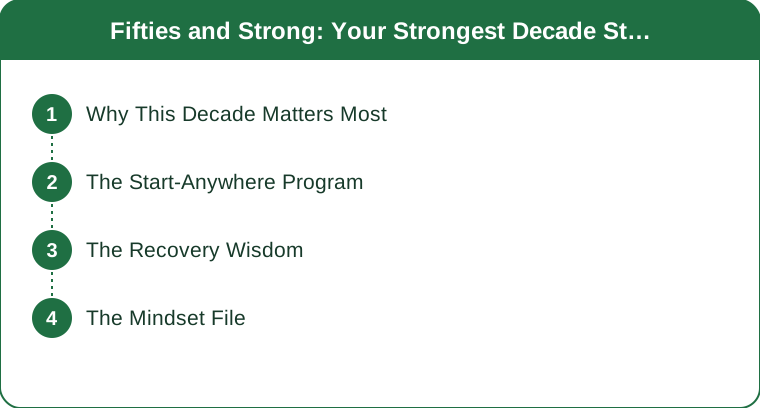
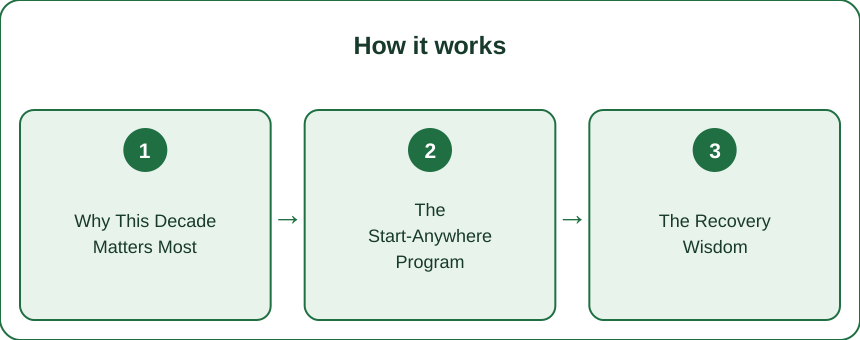
Why This Decade Matters Most
The stakes, stated plainly: muscle loss accelerates around menopause (estrogen’s decline removes a muscle-protective signal — the fifties woman loses muscle faster than she did at forty, UNLESS she trains), bone follows the same curve (the postmenopausal decade is bone’s steepest slide — resistance and impact are the countermeasure with the deepest evidence), and the reversibility is the good news (training studies in 50-, 60- and 70-somethings show robust strength and muscle gains — the never-too-late literature is exercise science’s most repeated happy finding).
The Start-Anywhere Program
The template: two-to-three strength sessions weekly (the minimal-fitness architecture fits perfectly — squat pattern, hinge, push, pull, carry), starting wherever you are (the chair-squat and wall-push-up tier is a legitimate week one; the machine circuit is a perfect month one; the barbell is an optional year one — the ladder has rungs at every height), progressing on the same rules as any age (reps then load, honestly hard final reps), plus the fifties-specific additions: impact dosing for bone (heel drops, low hops, the plyo-lab’s gentlest tier — bones want brief loading signals) and power work (the get-up-quickly, step-up-briskly tier — power fades faster than strength and matters more for daily life).

The Recovery Wisdom
The adjustments that keep it sustainable: recovery is the programming variable that changed most (48 hours between hard sessions on the same muscles — the masters-athlete doctrine applies), warm-ups stop being optional (five minutes of rehearsal before loading — the joints vote yes), protein needs are HIGHER now not lower (the anabolic-resistance research: older muscle needs a bigger protein signal — the per-meal protein anchor matters more each decade), and sleep remains the recovery drug (the menopausal sleep challenges make this harder exactly when it matters more — worth solving as part of the training plan, not separate from it).
The Mindset File
The reframes that unlock the decade: the gym is full of beginners of every age (the women’s-gym and machine-guide confidence kits apply — and the over-50 lifting community is one of fitness’s fastest-growing, friendliest corners), soreness rules don’t change (the DOMS lab applies — start gradual, adapt fast), the comparison target is your future self (the seventies version of you is the client — every session is a deposit in her account), and the identity is available immediately (lifter status begins at the first session, not at some weight). The decade’s honest pitch: nothing you do in your fifties will pay compound interest like strength — and the account opens today.
Two sessions, impact for bone, protein up, 48-hour recovery. The fifties aren’t the decade to slow down — they’re the decade strength training pays its highest rate.
Keep Reading
This article is for general informational purposes only and is not medical advice. Always consult a qualified health professional for guidance specific to you.